




A reliable self-custody recovery plan must restore the same wallet, move funds after a suspected compromise, and reach a usable local cash-out route. Keeping a seed phrase is only one part of that job; the owner must also preserve any passphrase, know the correct network, and test the replacement device before the balance becomes important.
Asian users face the same cryptographic rules as everyone else, but the operating conditions can differ. Humidity, flooding, cross-border travel, hardware delivery, bank-account changes, and country-specific exchange access can all break an otherwise sound setup. The practical answer is a rehearsed chain from backup to wallet restoration, safe transfer, and verified fiat exit.
Recovery begins by identifying what was lost, because a missing phone, broken signer, exposed seed, and unavailable exchange require different responses. Restoring the old wallet is correct after harmless device failure, but it is unsafe after the backup itself may have been copied. An exchange outage calls for a tested withdrawal route rather than a seed restoration.
| Failure observed | What still controls the funds | Correct first response | Evidence that closes the incident |
|---|---|---|---|
| Phone or hardware device lost, seed private | Recovery backup and any passphrase | Obtain a clean compatible wallet and restore privately | Same addresses appear and a small test transaction succeeds |
| Seed or passphrase may be exposed | Whoever knows the complete secret | Create a fresh wallet and move every asset after checking networks | Old addresses are emptied and approvals are reviewed |
| Seed, private key, and wallet backup all unavailable | No remaining spend authority can be demonstrated | Stop entering guesses or paying unknown recovery services | The balance may remain visible, but no standard recovery path exists |
| Wallet restores with a zero balance | Seed, passphrase, derivation, or network may differ | Stop retrying random combinations and verify each input | Expected address and transaction history reappear |
| Exchange or bank exit unavailable | Self-custody keys still control the assets | Use a pre-tested alternative venue and supported network | Small deposit, sale, and local bank receipt complete |
If no seed, private key, wallet file, recovery share, or usable signer survives, a visible onchain balance does not create a recovery method. Seed requests from search ads, messaging accounts, forms, or remote-access tools should be treated as attempts to obtain spend authority, not customer support.
When exposure is plausible, generate a fresh wallet on a clean device and inventory every chain before moving funds. Native coins, tokens, NFTs, staking positions, bridges, and approvals can require separate actions. A decentralized exchange transaction may leave token approvals attached to the old address, so an empty headline balance alone does not close the incident.
A usable seed backup is offline, legible, geographically separated from its duplicate, and proven through a low-value restoration. KanalCoin’s explanation of wallets, private keys, and self-custody establishes why control of the key also transfers responsibility for recovery. Paper can work in a controlled location, while metal can reduce fire, water, and humidity damage.
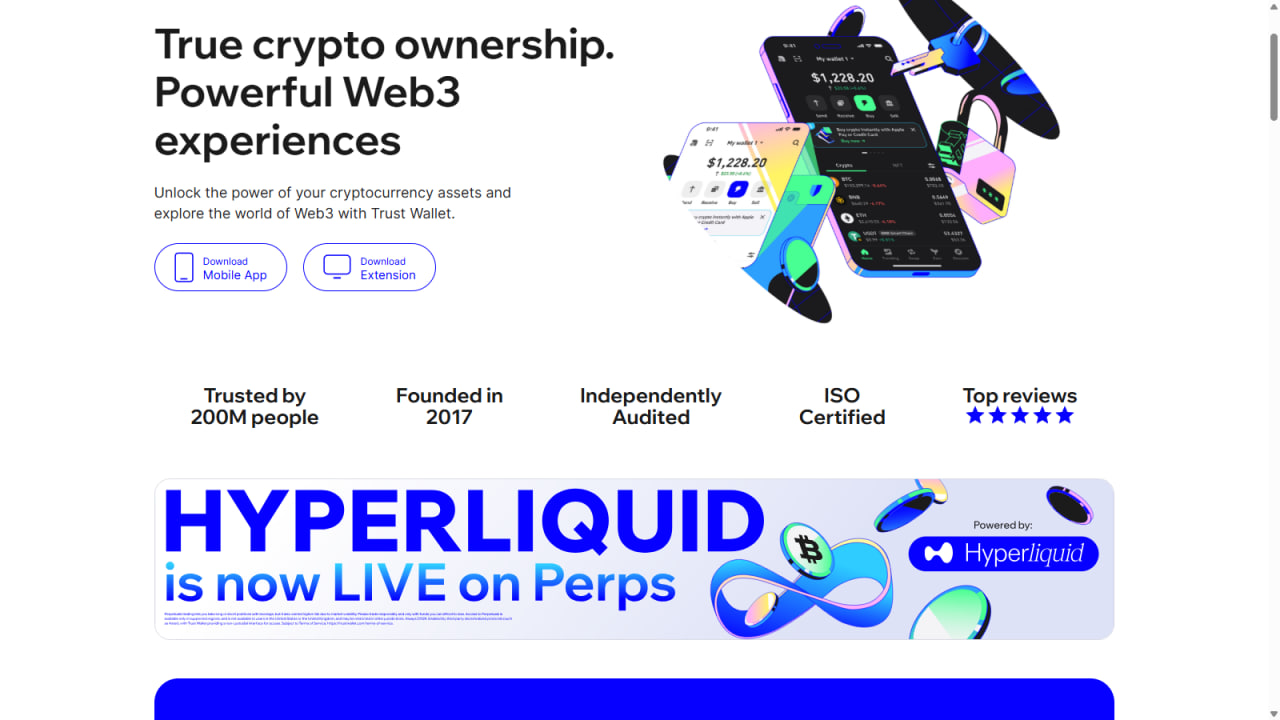
The backup should pass three checks before receiving a meaningful balance. Together they test transcription, physical separation, and restoration, which are different controls; passing only one still leaves a single failure capable of making the wallet permanently inaccessible:
- Every word is readable and recorded in the correct order without a photo, cloud copy, email, or chat message.
- A second copy is protected from the same humidity, flood, fire, theft, or family-access event as the first copy.
- A spare device restores the expected first addresses while the main wallet holds only a small test amount.
A recent physical seed-backup discussion moved the decision away from searching for an indestructible metal. Participants argued that two independent locations can protect against more realistic loss than one exceptionally strong plate, while acknowledging the extra security and coordination burden. Reviewed August 10, 2026, that experience supports redundancy but does not validate any material under fire or flood.
For a humid apartment in Manila, Ho Chi Minh City, Jakarta, Bangkok, or Kuala Lumpur, inspect the enclosure and engraving rather than assuming that the word “metal” guarantees durability. Keep the backup above likely flood level, avoid locations with condensation, and schedule a visual inspection without moving or photographing the words. The test should confirm readability, not expose the secret.
A lost or broken hardware wallet is normally a replacement problem, not a race to type the seed into the first available app. The owner should first decide whether the device was merely damaged, misplaced in a controlled location, or stolen with a realistic chance that its PIN and physical protections could be defeated. Only the last case creates urgency to move funds.
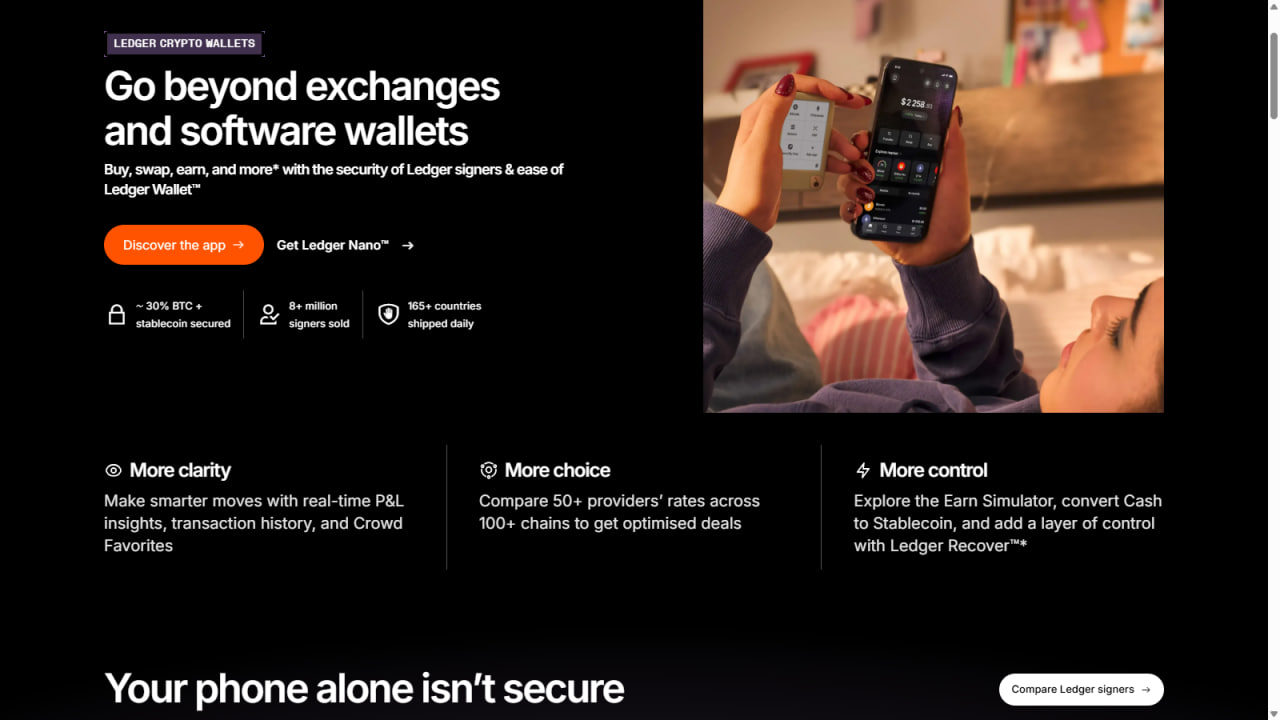
A Ledger owner described restoring a wallet to a spare device with the retained 24-word backup after the original screen failed in a hardware-wallet recovery report. The successful outcome shows why a replacement signer can be prepared before failure. It does not prove that every asset, account type, or passphrase will appear automatically, so the rehearsal must verify expected addresses and balances.
The replacement should come from the manufacturer or an identified authorized seller, arrive with intact packaging controls, and generate or restore secrets only on the device. A recovery phrase should never be entered into a webpage presented as an activation or verification service. After restoration, compare a known receiving address, sign a low-value transfer, and confirm the destination before moving the main balance.
A passphrase must be recovered exactly because a different value opens a different wallet, often with a valid but empty address history. It is not the device PIN and it is not repaired by possessing the underlying seed words. Capitalization, spacing, punctuation, and even an unintended trailing character can change the derived wallet.
The risk became concrete in a Trezor passphrase recovery account. An owner restored the correct 24 words after eight years but initially saw an empty wallet because the additional passphrase had been forgotten. The balance returned only after the passphrase was found, demonstrating that a complete seed can still restore the wrong wallet for the intended funds.
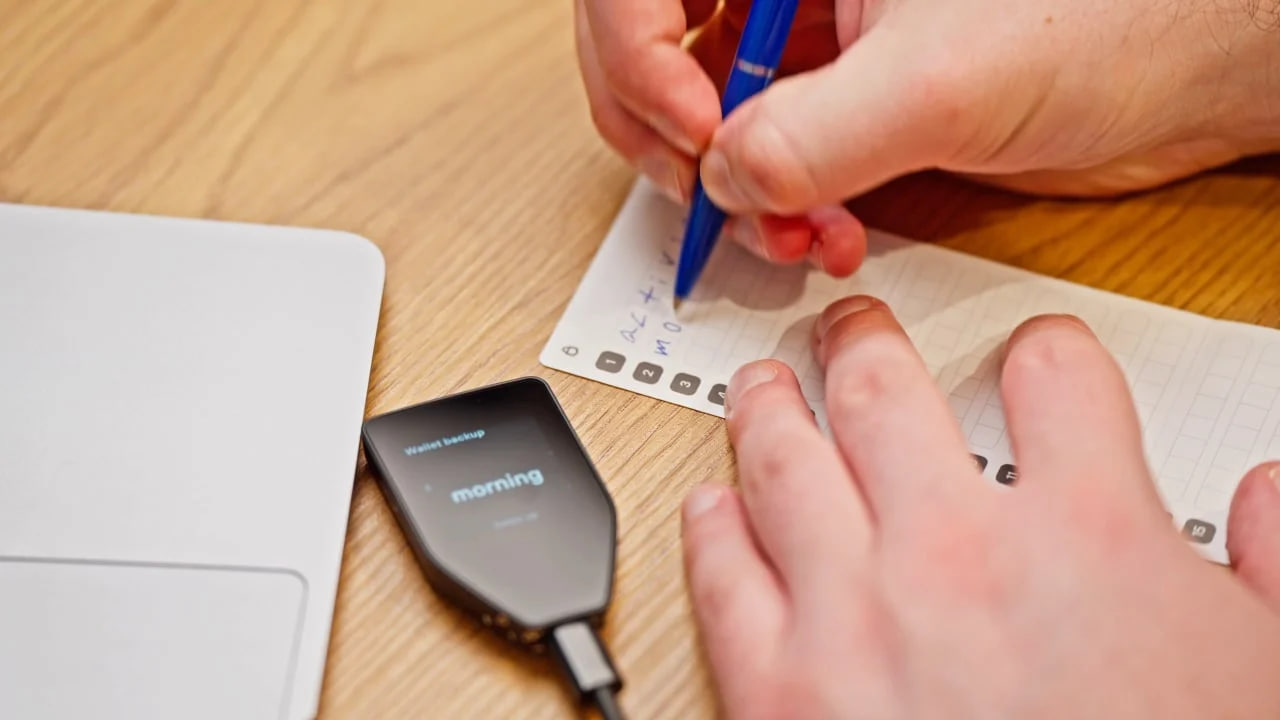
Anyone enabling this feature should run a restore with the exact passphrase and record enough non-secret information to identify the expected wallet, such as the first public receiving address. The passphrase and seed should not be stored together, yet a separation scheme that no trusted successor can understand creates its own permanent-loss risk. Trezor’s wallet-backup explanation is useful background, but only a personal rehearsal proves the chosen setup.
Alternative recovery designs change who must cooperate rather than eliminating backup risk. A card wallet may use several physical cards, a multisig vault may require two of three signers, and a smart account may rely on guardians. Each model works only when the required people, devices, and configuration remain available during the same incident.
Multisig recovery needs more than the threshold number of seed backups. Preserve the wallet descriptor or configuration, every cosigner fingerprint and extended public key, the derivation path, quorum, software, and a known receive address. The descriptor cannot spend by itself, but losing it can prevent compatible software from reconstructing the intended wallet.
A recent multisig recovery discussion described geographically separated keys while other participants identified descriptor and xpub loss as the overlooked failure. Reviewed August 20, 2026, the discussion does not validate one storage design; it shows why a recovery drill must rebuild the wallet configuration, not merely confirm that seed plates still exist.
For a family, the heir must know that the asset exists, where non-secret instructions begin, and who has legal authority to act. Keep the will or ownership record separate from spendable secrets, then test a synthetic wallet with the intended successor. A self-custody inheritance discussion described an heir who knew where two hardware wallets and sealed instructions were stored but had never completed a rehearsal, leaving phishing and execution risk unresolved.
A business should separate daily signing from disaster recovery. Two operators can approve ordinary transfers while an offline third key protects against staff departure or device loss. The recovery drill should prove that a signer can be replaced and that the policy can execute without the wallet vendor’s normal interface. Otherwise, a nominal multisig can still have one operational point of failure.
An exchange exit succeeds only when a small transfer reaches the intended venue over the correct network, can be sold under the user’s eligible account, and arrives in the user’s bank or e-wallet. Holding USDT or USDC preserves control of the token, while a third-party stablecoin wallet model can add another provider and conversion layer; neither guarantees a legal, liquid, or inexpensive fiat exit.
Before moving the main balance, record the asset and network accepted by the destination, deposit minimum, withdrawal fee, account-name rule, sale spread, bank rail, and expected settlement time. The Southeast Asia liquidity comparison covers execution quality, while the local route still needs its own funded test.
Country conditions should change the rehearsal. A Vietnam-based owner can use the VND on-ramp and withdrawal analysis to map bank transfer, P2P, and stablecoin exits. An Indonesian owner needs the separate IDR exchange and bank route, including the current operator status and rupiah payout. These pages are route references, not substitutes for a fresh account-level test.
A Singapore hardware-wallet cash-out discussion compared a direct sale through a local exchange with a longer stablecoin and XSGD route. The reports were collected before this article and cannot establish current fees or eligibility, but they expose the actual choice: fewer transfers and simpler recovery versus more network, swap, and account dependencies that must all work during an emergency.
Avoid building the contingency around bypassing a platform’s geographic controls or using an account registered to another person. A VPN cannot create legal eligibility, restore a closed bank rail, or transfer responsibility for a disputed P2P payment. The safer plan is a verified local route, a second compatible venue where permitted, and records that explain the source and movement of funds.
A useful rehearsal assumes the owner loses a phone abroad while the hardware signer remains safe at home. The owner must regain communication access without exposing the seed, reach a known contact, identify whether any funds actually need to move, and preserve enough local currency for the trip. Immediate restoration is unnecessary when the keys and backup are still secure.
If the signer is also missing, the owner follows the prepared decision: replace and restore when the backup is private, or create a new wallet and sweep assets when compromise is plausible. The restored wallet must show a known address before any large transfer. A small transaction then proves the signing path, destination network, and monitoring process.
The final leg tests the exchange exit with an amount small enough to lose without disrupting the trip. Save the deposit identifier, executed sale, fee, and bank receipt. A plan that restores the wallet but cannot produce local money is only a key-recovery plan; a plan that reaches cash but exposes the seed to an unknown device is not a safe recovery plan.
The strongest setup is not the one with the most devices or the toughest metal. It is the setup that can recover from a specific loss without exposing the remaining secret, and can move a test amount through the intended network and local exit. Seed, passphrase, signer, heir, exchange, and bank are separate dependencies that should never be assumed to fail or recover together.
Yes, when the recovery backup and any passphrase remain private. Restore on a clean compatible device, verify a known address, and complete a small transaction. Move the full balance only when theft or secret exposure creates a credible compromise risk.
Metal can reduce physical damage from water, humidity, and fire, but it does not solve theft or poor separation. Use a tested product or method, keep independent copies outside the same disaster zone, and inspect readability without photographing the words.
The seed, passphrase, derivation, account type, or selected network may differ from the original setup. Stop before creating new transactions, verify the expected public address, and confirm each recovery input rather than assuming the wallet application lost the funds.
No. Self-custody controls the asset, while fiat conversion depends on a compatible network, eligible exchange account, liquidity, compliance review, and working bank rail. Test the complete route with a small amount before relying on it for an emergency.
Disclaimer: This article is for informational and editorial purposes only and does not constitute legal, tax, or financial advice. Terms, fees, supported countries, and onboarding requirements can change and should be confirmed with each provider before integration.