


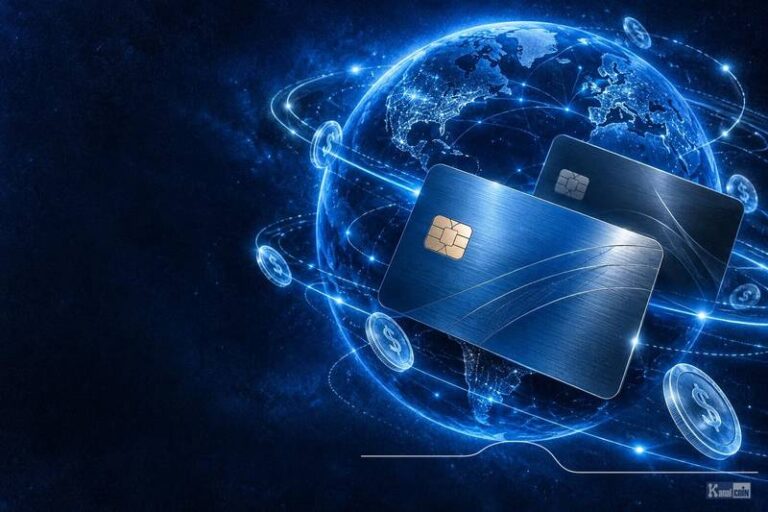
Visa and StraitsX have announced plans to expand stablecoin-linked payment cards globally, a move that could reshape how consumers across Southeast Asia and beyond spend digital assets at the point of sale.
The partnership pairs Visa’s global card network with StraitsX, the Singapore-based stablecoin infrastructure provider behind the XSGD and XUSD tokens. The two companies have signalled an intention to roll out stablecoin cards internationally, though specific launch markets, timelines, supported stablecoins, and eligibility criteria have not been confirmed at the time of publication. For related coverage, see Arbitrum Joins Paxos-Led Global Dollar Stablecoin Group.
For Southeast Asia, the announcement carries particular weight. Singapore serves as the regional hub for regulated stablecoin activity, and the Monetary Authority of Singapore has been actively shaping a stablecoin regulatory framework that could directly govern the stablecoins StraitsX issues. A card product built on that regulated foundation would give the expansion a compliance footing that purely offshore stablecoin products lack.
What Stablecoin Cards Could Mean for Payments Across the Region
Stablecoin cards bridge the gap between on-chain holdings and everyday card-payment infrastructure. At a basic level, they allow a cardholder’s stablecoin balance to settle a Visa transaction at the point of sale, without the cardholder needing to manually convert to fiat first. How the Visa-StraitsX product handles that settlement, including which stablecoins are supported, conversion rates, and whether merchants receive fiat or stablecoins, remains to be confirmed.
Visa has been building toward this kind of product across multiple markets. The company has a separate stablecoin payments and remittances partnership with South Korean exchange operator Dunamu, showing a deliberate strategy of linking its card rails to stablecoin ecosystems in different regions. That parallel effort suggests the Visa-StraitsX card is part of a broader push rather than a one-off pilot.
The trend extends beyond Visa. Stripe has signalled plans to bring stablecoin-linked cards to more than 100 countries, while OKX has introduced a stablecoin payments and savings app targeting users who rely on dollar-denominated assets. Visa and StraitsX are entering a competitive field where execution and regulatory clarity will determine who gains meaningful user adoption.
Rollout Questions That Remain Open
Several details will determine the practical scope of the Visa-StraitsX expansion. Key unknowns include which countries will be included at launch, whether the card supports only StraitsX-issued stablecoins or a broader basket, how the product interacts with local card-issuing regulations in markets like Indonesia, the Philippines, and Thailand, and what fees apply to stablecoin-to-fiat conversion at the point of sale.
Regulatory treatment will vary sharply across ASEAN. Singapore’s developing stablecoin rules provide a clearer path for a StraitsX-issued product than exists in most neighboring markets, where central banks have taken more cautious positions on stablecoin use in payments. Any phased rollout would likely begin in jurisdictions with clearer frameworks before expanding further.
For regional exchanges and wallets, including platforms serving users in the Philippines, Indonesia, and Vietnam, the practical question is whether a Visa-StraitsX card would draw users toward the StraitsX ecosystem or complement existing on-ramp and off-ramp infrastructure. That answer depends on pricing, availability, and how smoothly the card integrates with the wallets users already hold their stablecoins in.
TLDR KEYPOINTS
- Visa and StraitsX have announced a plan to expand stablecoin-linked payment cards globally.
- The partnership focuses on connecting StraitsX’s stablecoin infrastructure with Visa’s card network for point-of-sale use.
- Rollout specifics, including markets, launch dates, supported stablecoins, and fees, have not been disclosed and will shape the product’s real-world impact.
Additional source references: source document 1, source document 2.
Disclaimer: This article is for informational purposes only and does not constitute financial or investment advice. Cryptocurrency and digital asset markets carry significant risk. Always do your own research before making decisions.