U.S. spot Bitcoin ETFs snapped a recent streak of net inflows on March 26, recording aggregate outflows as institutional appetite for crypto exposure showed signs of cooling. The reversal arrived alongside a broader pullback in Bitcoin's spot price, raising questions about whether the March inflow recovery has already stalled.
ETF Outflows Return After Recent Inflow Streak
Multiple tracking services flagged net capital leaving U.S. spot Bitcoin ETFs on March 26, with significant net outflows recorded across the fund complex. The session ended a run of consecutive inflow days that had helped stabilize sentiment earlier in March.
Grayscale's GBTC continued to weigh on the aggregate picture. Daily flow data showed GBTC posting notable redemptions, consistent with the fund's persistent outflow pattern since converting from a closed-end trust in early 2024.
Whether BlackRock's IBIT, typically the bellwether for fresh institutional demand, recorded positive or negative flows on the day will be a key data point once final settlement figures are published. IBIT's flow direction on any given session is widely regarded as the clearest signal of institutional conviction.
The outflow reversal is notable in context. Earlier in March, U.S. spot Bitcoin ETFs had rebounded with over $1.5 billion in monthly inflows, recovering from a prolonged four-month outflow period. March 26 marks the first clear crack in that recovery trend.
Institutional Appetite Cools Amid Cross-Asset De-Risking
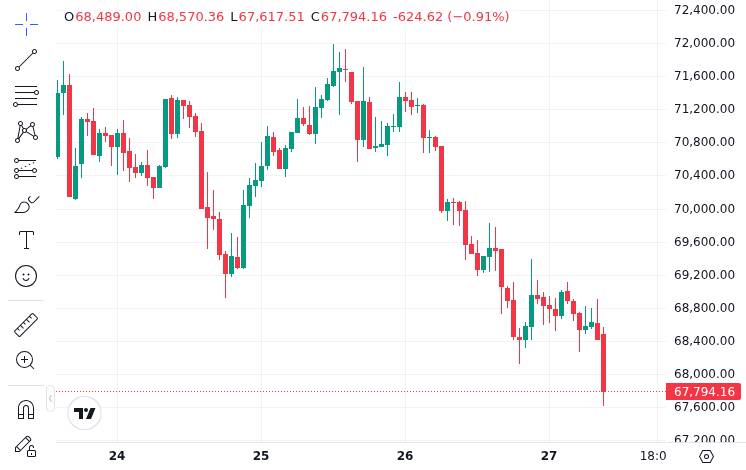
Bitcoin traded below $68,000 on March 27, down from above $71,000 earlier in the week. The roughly 5% drawdown coincided with the ETF outflow session, though causality runs both ways: falling prices can trigger redemptions, and redemptions can pressure prices.
Broader risk assets faced pressure in the same window. JPMorgan analysts noted that gold and silver also slid on ETF-related outflows and liquidity strains, suggesting macro-driven de-risking rather than a crypto-specific catalyst.
For readers tracking Bitcoin's Fear and Greed Index, the combination of spot price declines and institutional outflows typically pushes sentiment readings lower. Whether the current episode triggers a sustained shift toward fear will depend on whether outflows extend into a multi-day streak.
A single outflow day does not confirm a trend. The March inflow rebound showed that institutional allocators have not abandoned Bitcoin ETFs as a vehicle; rather, flows have become increasingly volatile. FinanceFeeds characterized the pattern as institutional flows turning volatile rather than decisively bearish.
That volatility in capital flows mirrors a broader pattern across institutional digital-asset products. Even traditional capital markets are grappling with structural shifts, as firms like TD Securities have warned that tokenization pushes could fragment liquidity across venues.
Key Metrics to Watch as Outflow Pressure Builds
The next two to three trading sessions will clarify whether March 26 was an isolated redemption day or the start of a new outflow streak. Prior outflow periods in late 2025 lasted between five and twelve consecutive sessions before reversing, so a second and third outflow day would raise the probability of a prolonged drawdown.
On-chain data offers a complementary lens. Exchange reserve trends for Bitcoin, which track net deposits and withdrawals from centralized platforms, can confirm or contradict the institutional selling narrative. Rising exchange reserves would suggest more holders are positioning to sell, while declining reserves would indicate accumulation despite ETF-level outflows.
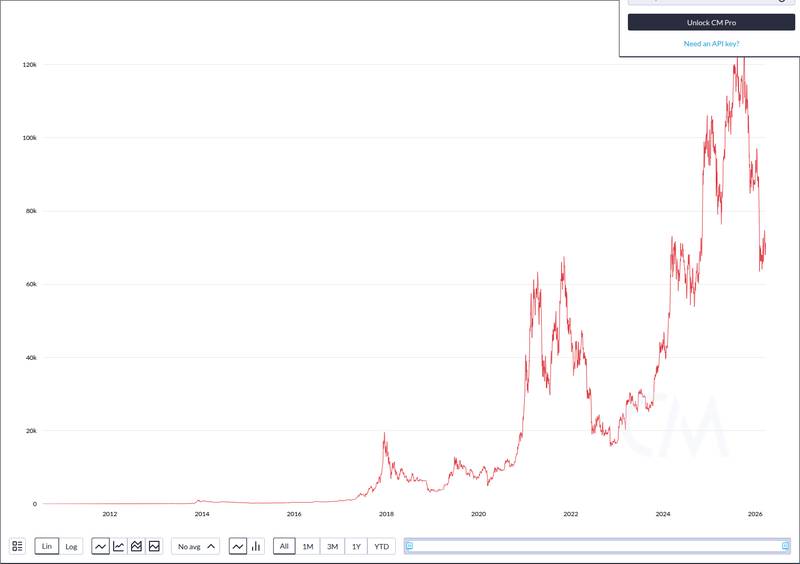
Analysis from LiveBitcoinNews noted that roughly 38,000 BTC were accumulated by whale wallets during March, a signal that large holders have been buying even as ETF flows fluctuated. That divergence between whale accumulation and ETF outflows is worth monitoring closely.
The macro calendar adds another variable. With the next Federal Reserve policy meeting scheduled for late April, rate expectations could shift if upcoming inflation data surprises in either direction. Previous Bitcoin ETF inflow rebounds have often aligned with dovish shifts in rate expectations, making the Fed trajectory a key driver for institutional crypto allocations.
The Bitbo ETF flow tracker and daily reports from Farside Investors remain the most reliable real-time dashboards for monitoring this space. The March 27 flow figure, expected later today, will be the first test of whether institutional demand is genuinely weakening or simply pausing after a strong inflow month.
Disclaimer: This article is for informational purposes only and does not constitute financial or investment advice. Cryptocurrency and digital asset markets carry significant risk. Always do your own research before making decisions.