Spot Bitcoin ETFs have snapped a prolonged outflow streak with a sharp inflow rebound in late March 2026, even as broader market volatility continues to rattle crypto markets. The reversal signals renewed institutional appetite for BTC exposure at a time when many retail traders remain cautious.
ETF Inflows Return After a Run of Outflows
U.S. spot Bitcoin ETFs recorded approximately $167 million in net inflows on March 25, ending a multi-day outflow streak that had weighed on sentiment across the sector. The single-day figure marked the clearest sign yet that institutional demand was stabilizing after weeks of withdrawals.
On a broader scale, spot Bitcoin ETFs have now accumulated roughly $2.5 billion in net inflows for March, putting the product category on track to recover losses booked earlier in 2026. That monthly total reflects a significant turnaround from January, when a three-day outflow streak erased early-month gains and triggered concerns about fading ETF momentum.
BlackRock's IBIT and Fidelity's FBTC have historically led inflow recoveries of this kind, and early reporting suggests both products again attracted the bulk of new capital during this latest rebound. The cumulative assets under management across all U.S. spot Bitcoin ETFs continue to climb, reinforcing the structural demand story that has underpinned the product class since its launch on major exchanges.

Inflows Return Even as BTC Volatility Climbs
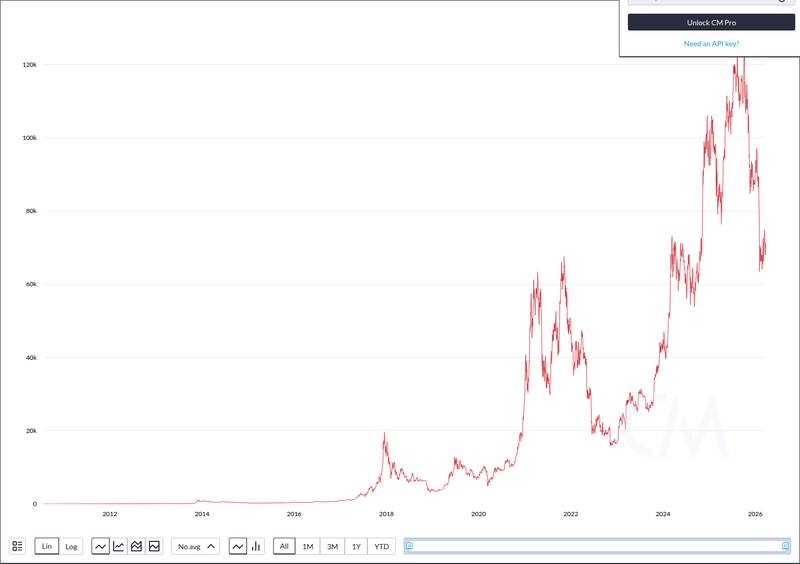
What makes the March inflow rebound notable is the backdrop against which it occurred. Bitcoin has shown only tentative recovery signs this month amid persistent macro headwinds, including uncertainty around Federal Reserve rate policy and broader risk-asset volatility.
The typical pattern during volatile stretches is for institutional capital to pause or retreat. ETF products, which serve as the primary regulated on-ramp for traditional finance exposure to Bitcoin, tend to see outflows spike when price swings widen. The fact that inflows resumed while conditions remained choppy suggests a cohort of buyers treating the dip as an accumulation window rather than a risk event.
Falling exchange supply has added another layer to the narrative. As exchange-held Bitcoin balances decline, the available liquid supply shrinks, which historically tightens the supply-demand dynamic in BTC's favor. Combined with consistent ETF buying, this trend points to a firming price floor even if short-term volatility persists.
This dynamic mirrors what played out during Wall Street's broader migration into blockchain-based assets, where institutional allocators have increasingly treated regulated crypto products as portfolio staples rather than speculative bets.
What the Inflow Rebound Signals Going Forward
The March 2026 rebound echoes a pattern observed in Q4 2024, when ETF inflows surged after a multi-week drawdown and preceded a sustained BTC rally into year-end. In that episode, weekly inflows crossed $1 billion consistently for several weeks, and Bitcoin went on to set new highs within 60 days.
Whether that pattern repeats depends heavily on macro conditions. Glassnode's Week 12 on-chain analysis provides additional context on current network activity and holder behavior, offering a data-driven lens on whether the accumulation trend has legs beyond ETF flows alone.
Institutional inflows have been a key driver of Bitcoin's March price recovery, and the ETF channel remains the most visible measure of traditional-finance demand. As long as daily net flows hold positive, the structural bid under BTC strengthens.
Traders watching for the next directional catalyst should focus on upcoming U.S. economic data releases, including the next CPI print and any Federal Reserve commentary on rate expectations. These macro events have been the primary trigger for volatility spikes that either accelerate or reverse ETF flow trends. Bitcoin's price action in recent weeks, including its sensitivity to geopolitical headlines, underscores how tightly crypto markets remain coupled to broader risk sentiment.
Disclaimer: This article is for informational purposes only and does not constitute financial or investment advice. Cryptocurrency and digital asset markets carry significant risk. Always do your own research before making decisions.