

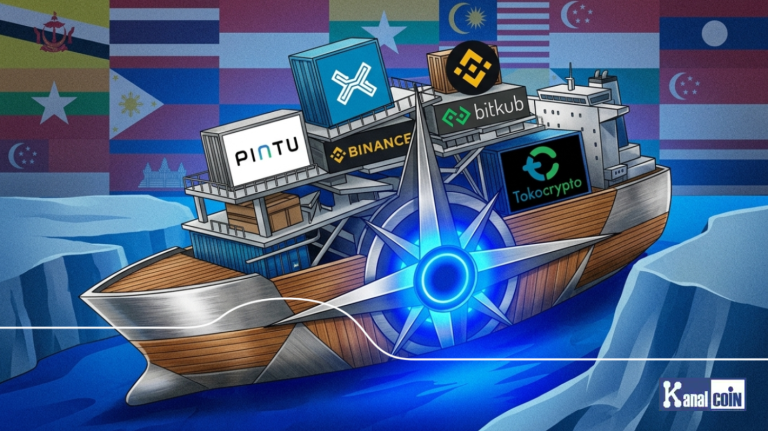
The best crypto exchanges in Southeast Asia in 2026 are Pintu, Indodax, Bitkub, Binance TH, and Tokocrypto.
Pintu is the best starting point for Indonesian beginners who want a clean IDR-first mobile app. Indodax remains the strongest local-liquidity reference for Indonesian users who care about IDR spot markets and a deeper exchange feel.
Bitkub is the most important Thai retail exchange because it is built around THB access and domestic familiarity. Binance TH is the cleaner fit for Thai users who want a Binance-linked product inside a local regulatory wrapper. Tokocrypto is the better Indonesian fit for users who want a more active-trading posture without moving fully offshore.
Quick comparison of the top Southeast Asia crypto exchanges
| Exchange | Primary market | Local fiat and payment rails | Language support | App availability | Regulatory context | Main tradeoff |
|---|---|---|---|---|---|---|
| Pintu | Indonesia | IDR bank transfer and e-wallet routes | Indonesian, English | iOS and Android | PFAK license issued by Bappebti; supervision now moving under OJK | Very easy first account, but pricing should be checked against order-book exchanges |
| Indodax | Indonesia | IDR bank transfer and virtual accounts | Indonesian, English | iOS, Android, Web | PFAK license listed by Bappebti; supervision now moving under OJK | Strong local liquidity, but less beginner-friendly than newer apps |
| Bitkub | Thailand | THB bank transfer and QR-style local banking routes | Thai, English | iOS, Android, Web | Licensed by Thailand’s Ministry of Finance and regulated by SEC Thailand | Strong THB convenience, but fees and KYC timing need checking |
| Binance TH | Thailand | Thai bank funding for eligible users | Thai, English | iOS, Android, Web | Operated by Gulf Binance under Thai regulatory supervision | Local Binance route, but product scope differs from Binance Global |
| Tokocrypto | Indonesia | IDR virtual accounts and bank routes | Indonesian, English | iOS, Android, Web | PFAK license issued by Bappebti; supervision now moving under OJK | More trading-oriented, but bank-route reliability still matters |
Pintu
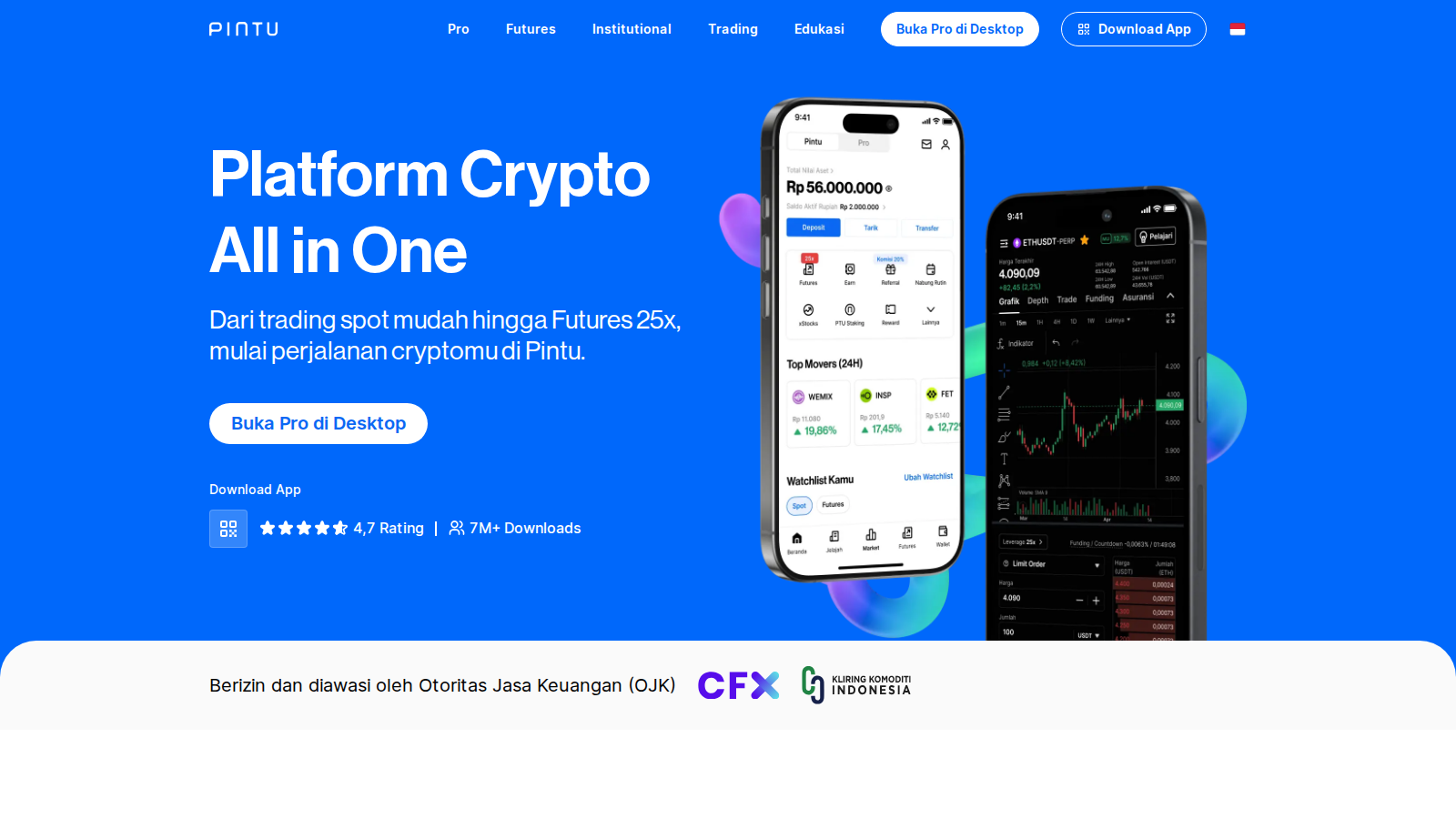
Pintu is the cleanest recommendation for Indonesian beginners who mainly want to move from IDR into major crypto assets without learning a full trading terminal first. The public product surface feels closer to a consumer finance app than an exchange built for chart-heavy trading.
We loaded the Pintu homepage directly and found the first impression clear: the page is built around beginner-friendly access, mobile app use, and local Indonesian context. Many first-time buyers in Indonesia start with a bank account, a phone, and the question of whether the app feels safe enough to try.
Best for: Indonesian beginners, mobile-first buyers, users who want a cleaner first crypto account.
Main tradeoff: Convenience can cost more than an order-book exchange once the user starts trading larger amounts.
A practical pattern appears in Indonesian Reddit discussions: users often mention Pintu alongside Tokocrypto and Indodax as local routes that connect crypto activity back to Indonesian bank accounts. In a r/indonesia thread about Coinbase access from Indonesia, one user pointed readers toward local exchanges such as Tokocrypto, Indodax, Pintu, or Luno because direct bank deposit and withdrawal mattered more than Coinbase-style global access.
In a separate discussion about converting foreign currency to IDR, users compared Pintu with Tokocrypto on cost. The honest answer for larger-volume users is: Pintu is a strong first account, but at some point the convenience markup becomes visible enough to matter.
Indodax
Indodax is the older, deeper Indonesian exchange choice. It is less about a polished first impression and more about local market familiarity, IDR liquidity, and a traditional exchange experience that long-time Indonesian traders already understand.
We reviewed Indodax’s public product positioning and licensing context for this section. A live authenticated walkthrough with a funded IDR deposit test was not completed for this draft. The ranking rests on public exchange positioning and user-side evidence around local liquidity — the on-ground deposit experience still needs a funded follow-up.
Best for: Indonesian users who care about IDR order books, deeper local liquidity, and a desktop exchange feel.
Main tradeoff: The product can feel less approachable for a first-time buyer than mobile-first apps like Pintu.
Indodax’s strongest user-side case is liquidity. In an older but still useful r/indonesia daily discussion, a user described Indodax as the strongest IDR on/off-ramp because its IDR pairs had better volume and liquidity than smaller local alternatives.
The brand recognition is not the open question here. The real question is whether its interface and execution path feel good enough to keep users on the platform when newer apps continue to close the gap on convenience. That gap is the reason a funded Indodax walkthrough matters more than a second look at any other exchange in this list.
Bitkub
Bitkub is the Thailand-first exchange in this list. Its main strength is not global breadth. Its strength is that Thai users know it, Thai bank rails matter to its product, and local regulatory visibility gives it a different role from offshore exchanges. Users outside Thailand cannot access Bitkub under a Thai-registered account — geo-restriction is part of the product’s design, not a bug.
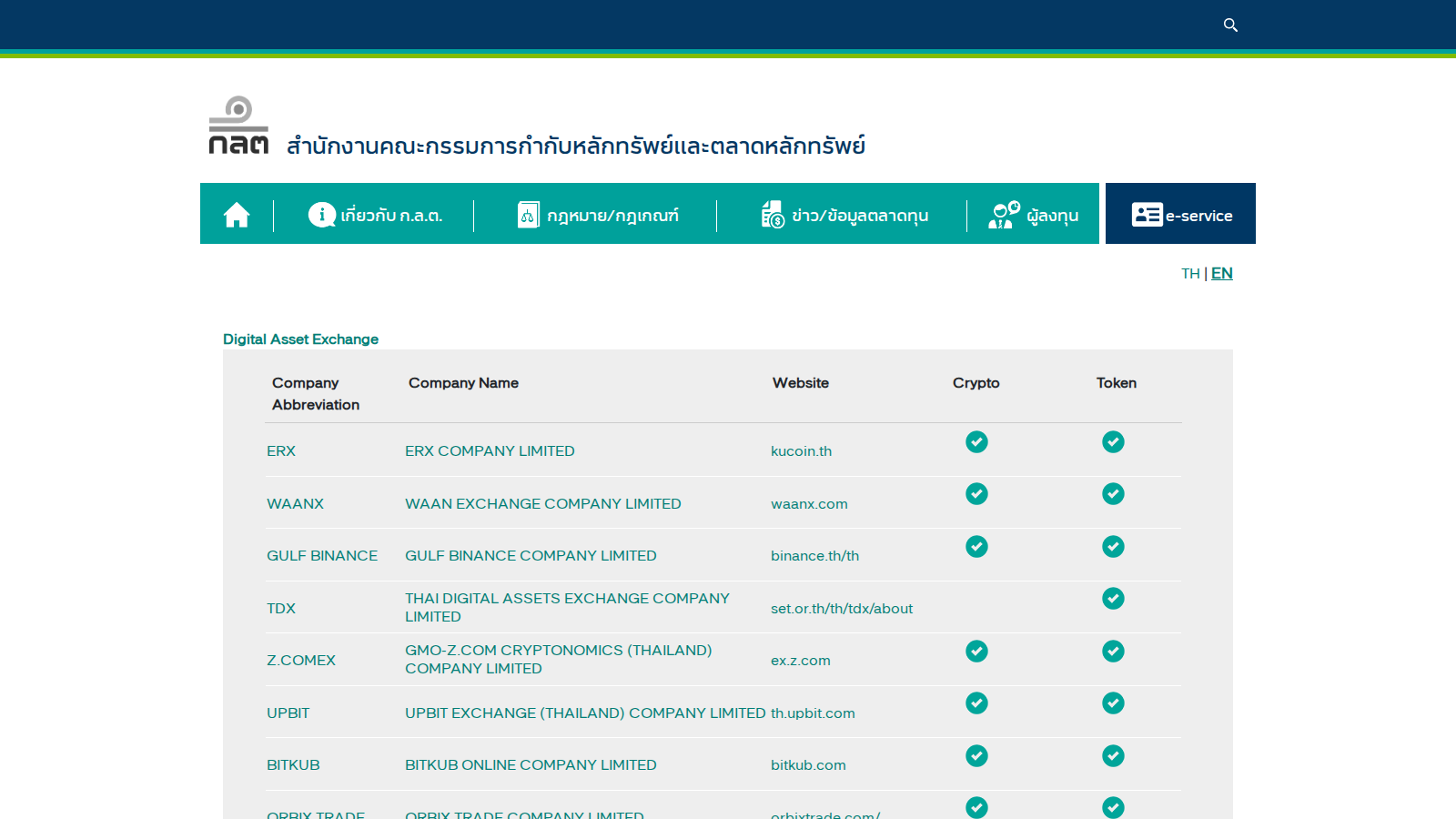
We used the Thailand SEC digital asset license capture as regulator-facing evidence for the Thai exchange sections. That screenshot does not prove Bitkub’s current account experience for every user, but it supports the larger point that Thailand exchange selection sits inside a visible local licensing framework.
Best for: Thai retail users, THB-first buyers, users who want domestic exchange familiarity.
Main tradeoff: Local convenience does not remove the need to check trading fees, KYC timing, and withdrawal limits before moving meaningful funds.
Thai Reddit discussions show why Bitkub remains important even when users criticize its costs. In a r/Thailand thread about moving crypto into Thai baht, users described Bitkub as reliable and easy for linked Thai bank accounts, while also noting that its 0.25% trading fee was higher than Binance.
Another r/Thailand discussion about Bitkub and Satang highlighted instant Thai bank withdrawals and QR deposits, but warned that registration can take time when demand rises. That KYC queue risk — barely noticeable in a quiet period, suddenly urgent in a bull run — is the variable that a funded test would actually measure.
Binance TH
Binance TH is useful because it gives Thai users a local Binance-linked route rather than forcing them to treat Binance Global as the default answer. That difference matters in Thailand, where product scope, eligible users, and bank funding depend on local rules.
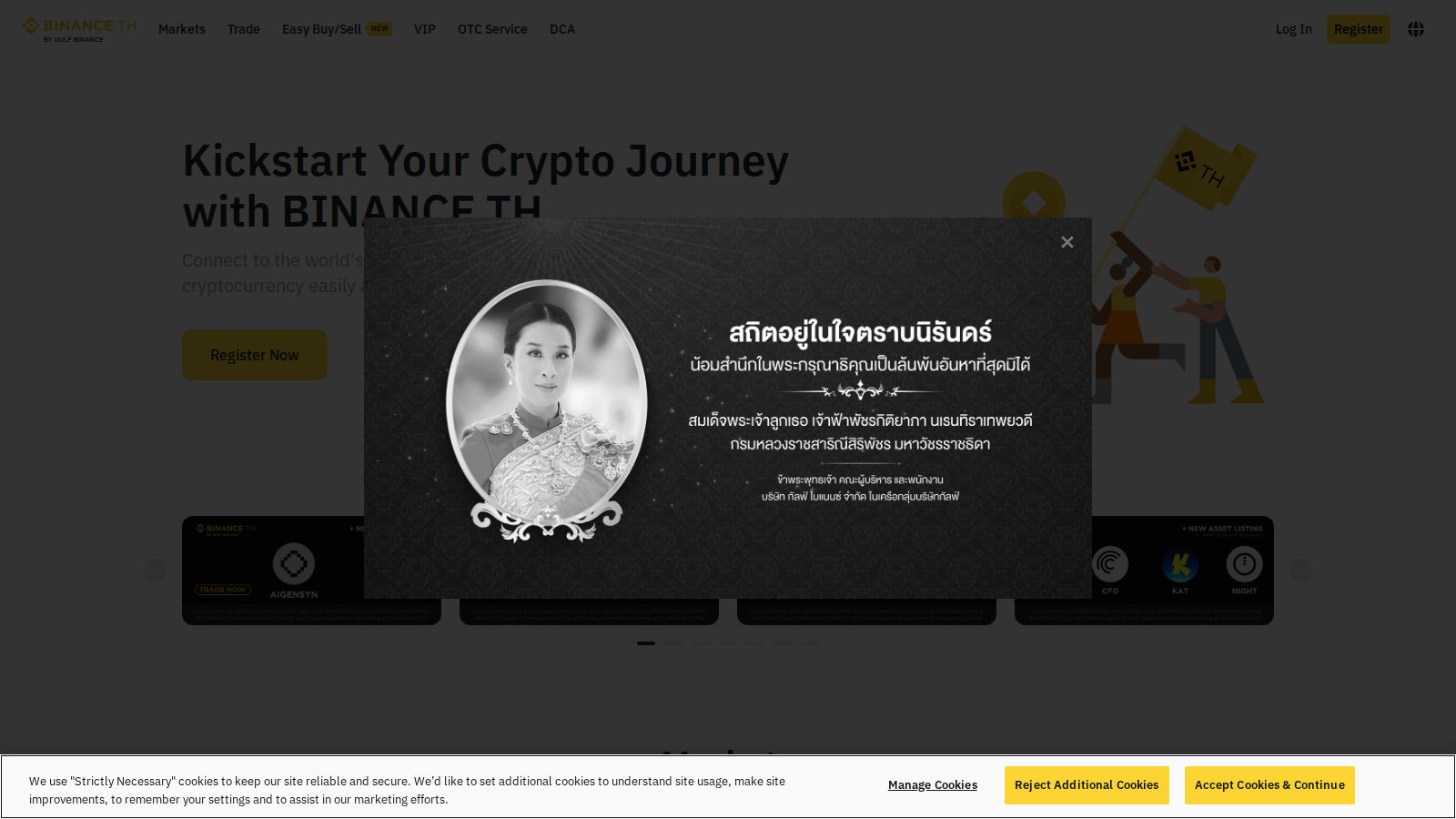
We loaded the Binance TH public homepage directly and found that the product presents itself as a Thai market route, not a simple mirror of Binance Global. That is the right way to read it. The brand name is familiar, but the local product has to be judged on local funding, eligible assets, and current feature scope.
Best for: Thai users who want Binance-style access inside a local framework, users comparing Bitkub against a global-brand option.
Main tradeoff: Binance TH should not be assumed to offer the same assets, order types, or advanced products as Binance Global.
In a recent r/Thailand trading discussion, one user noted that Binance TH can be used if the user has the required documents. That small detail is useful because it shifts the decision from brand recognition to eligibility.
That is the unresolved issue for Binance TH. It may be the cleaner regulated route for many Thai users, but active traders still need to check which assets, order types, and funding methods are available on the Thai product before assuming global-platform parity.
Tokocrypto
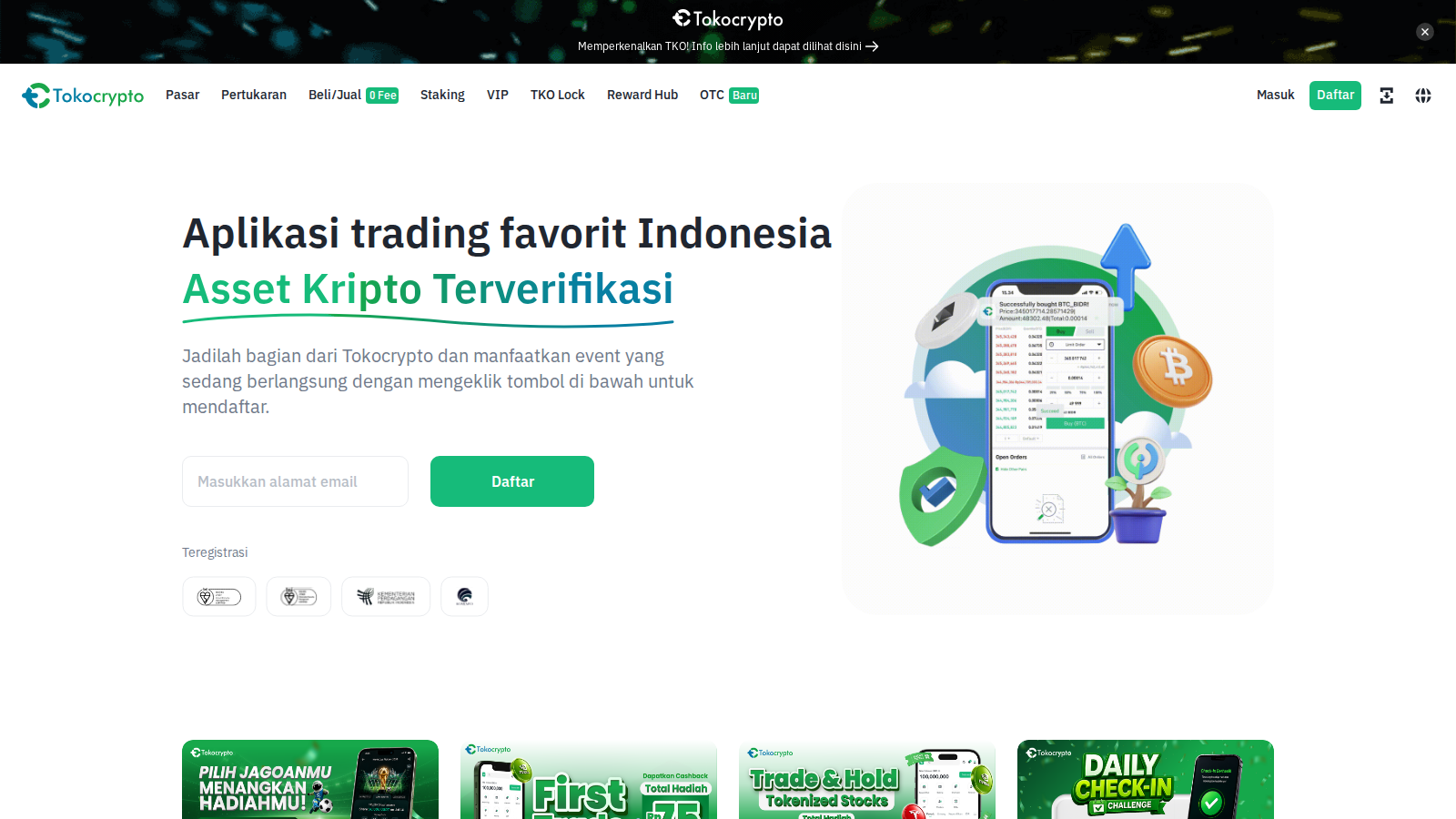
Tokocrypto is the Indonesian exchange for users who want a more trading-oriented route than a simple buy/sell app. The public homepage signals that posture quickly: this is still local-market infrastructure, but the product language feels closer to an exchange than a beginner-only wallet app.
We loaded the Tokocrypto homepage directly and found a clear Indonesia-first product surface, with exchange navigation and registration prompts visible before login. That public view supports Tokocrypto’s role in this comparison: a middle lane between mainstream onboarding and active trading.
Best for: Indonesian users who want lower-friction trading, Binance-linked familiarity, and local IDR access.
Main tradeoff: Bank-route reliability and Indonesia’s regulatory transition still need fresh checks before large transfers.
Tokocrypto appears repeatedly in Indonesian Reddit threads as a practical local exchange rather than only as a brand name. In the Coinbase Indonesia discussion, users pointed readers toward Tokocrypto, Indodax, Pintu, and Luno because local bank routes mattered more than Coinbase-style global access.
In a thread about sending money from Canada to Indonesia, one user described using Tokocrypto for crypto payments from overseas work before converting to IDR. That practical use — overseas income in, IDR out — is exactly the remittance-adjacent case where OJK’s ongoing transition from Bappebti still matters. Whether the IDR withdrawal path holds up when the regulatory handover is complete is the question that a funded test would answer.
What stood out once we looked at the actual regional positioning
What stood out was how local these decisions become once fiat enters the workflow. Pintu and Tokocrypto are not just competing on app design. They are competing on whether an Indonesian user can move IDR in and out without turning every transaction into a workaround.
Thailand shows the same pattern from the other side. Bitkub and Binance TH matter because THB access and local licensing shape the user journey before any advanced trading feature matters. A global exchange may look stronger on paper, but that advantage shrinks if the reader still has to solve bank funding alone.
That is the real ASEAN filter: start with the local cash route, then compare fees and trading depth. Reversing that order creates recommendations that look good globally but fail in Jakarta, Bangkok, or Hanoi.
Country-by-country quick pick
| Country | Practical starting point | Why | Key regulator |
|---|---|---|---|
| Indonesia | Pintu for beginners; Tokocrypto or Indodax for more active users | IDR access, local exchange licensing context, and bank routing matter most | OJK (formerly Bappebti) |
| Thailand | Bitkub for domestic familiarity; Binance TH for local Binance-linked access | THB rails and SEC Thailand / Ministry of Finance context shape product availability | SEC Thailand |
| Vietnam | Global exchanges and P2P routes still dominate; no major domestic retail exchange licensed to date | SSC Vietnam has not approved a comparable domestic retail exchange framework; users rely on P2P or offshore accounts | SSC Vietnam |
| Singapore | Regulated global platforms and stricter onboarding | MAS rules make compliance and account eligibility more important than raw feature count | MAS |
| Malaysia | Licensed local options such as Luno plus global alternatives | Local payment access and permitted platform lists should be checked before use | SC Malaysia |
| Philippines | Mobile-first local apps and remittance-focused platforms | Local wallet behavior and bank/mobile-money rails shape the user experience; remittance corridors make stablecoin access especially practical | BSP |
| South Korea | Domestic exchanges with FSC Korea compliance required | Foreign exchanges face significant access restrictions; Korean users operate inside a tightly regulated local market | FSC Korea |
Where this ranking can be wrong for you
This ranking is built for retail users who care about local fiat access, regulated routes, and normal spot trading. It is less useful if you are a derivatives trader, a market maker, or a user who only wants offshore product breadth.
It can also be wrong if your country access changes after publication. Southeast Asia moves quickly: regulators adjust permitted products, banks change transfer policies, and exchanges update verification rules. Before depositing meaningful funds, confirm the app is available in your country, your bank route works, and the fee preview matches what you expect.
What this review verified and what it did not
| Claim | Status |
|---|---|
| Pintu public homepage loaded and showed Indonesia-focused consumer positioning | Observed |
| Tokocrypto public homepage loaded and showed Indonesia exchange positioning | Observed |
| Binance TH public homepage loaded and showed a local Thai Binance route | Observed |
| Thailand SEC digital asset license page was captured for regulator-facing context | Observed |
| OJK/Bappebti transition and exchange licensing context checked through official sources | Observed |
| IDR deposit completed on Pintu, Indodax, or Tokocrypto | Not verified |
| THB deposit completed on Bitkub or Binance TH | Not verified |
| Live order execution, spread, and slippage tested with real funds | Not verified |
| Fiat withdrawal timing tested end-to-end | Not verified |
| Customer support response time tested from a funded account | Not verified |
What to check before choosing an exchange in Southeast Asia
The most useful pre-deposit checklist is simple:
- Can you deposit and withdraw your local fiat currency directly?
- Does the exchange support your bank, e-wallet, or QR payment route?
- Is the platform licensed or registered in your country, or are you using an offshore account?
- Are the trading fee, spread, deposit fee, and withdrawal fee visible before confirmation?
- Does the mobile app work clearly in your language or in English you can understand?
- What happens if KYC takes longer than expected?
These questions matter more than another headline token count. In Southeast Asia, the exchange is only useful if the local money path works when you need it.
Editorial Note
This article is for informational purposes only and does not constitute investment, legal, or tax advice. Exchange availability, local payment rails, fee schedules, and product scope can change quickly.
If you are choosing a crypto exchange in Southeast Asia, the hard question is not which platform has the longest token list. The harder question is which platform can move your local money into usable crypto without creating extra friction around bank transfer, KYC, withdrawal timing, language support, or local regulation.
That is why this guide ranks exchanges through an ASEAN lens. A platform that works well for a U.S. card buyer may still be a poor fit for an Indonesian user who needs IDR bank routes, or a Thai user who wants THB deposits under a local license.
If you already know your market, the sharper follow-up reads are our guides to the best crypto exchanges in Vietnam, the best crypto exchanges in Indonesia, and the best crypto exchanges in Thailand.
Why you can trust this guide
This review is based on public product surfaces, visible onboarding language, regulator-facing references, and regional user discussions reviewed in July 2026. We did not claim a funded end-to-end test for every exchange. Where final publication depends on real IDR or THB deposits, completed KYC, live spread checks, or withdrawal timing, those steps should be treated as not verified until a funded account test is completed.
FAQ
What is the best crypto exchange in Southeast Asia overall?
There is no single best exchange for the whole region. Pintu, Indodax, and Tokocrypto are stronger starting points for Indonesia, while Bitkub and Binance TH matter more for Thailand. Vietnam, Malaysia, Singapore, and the Philippines require separate local checks.
Are local exchanges better than global exchanges in Southeast Asia?
Local exchanges are often better for deposits, withdrawals, and regulator-facing clarity. Global exchanges usually offer broader markets and more advanced features. The better choice depends on whether you need a clean fiat route or wider trading access.
Can I deposit local fiat currency on global exchanges?
Many global exchanges do not support direct deposits for every ASEAN currency. Users often rely on P2P trading desks, which carry counterparty risks, or transfer assets from a licensed local exchange.
Are crypto trading fees higher on regional exchanges?
They can be. Regional exchanges may charge more than large global platforms because they operate local payment rails, compliance processes, and tax or reporting workflows. Always check the fee preview before confirming an order.
Disclaimer
This article is for informational purposes only and does not constitute investment, legal, or tax advice. Exchange availability, supported countries, local payment rails, fees, and regulatory status can change quickly. Before depositing funds, verify current KYC rules, live fee previews, withdrawal conditions, and local compliance details directly with the exchange.


