


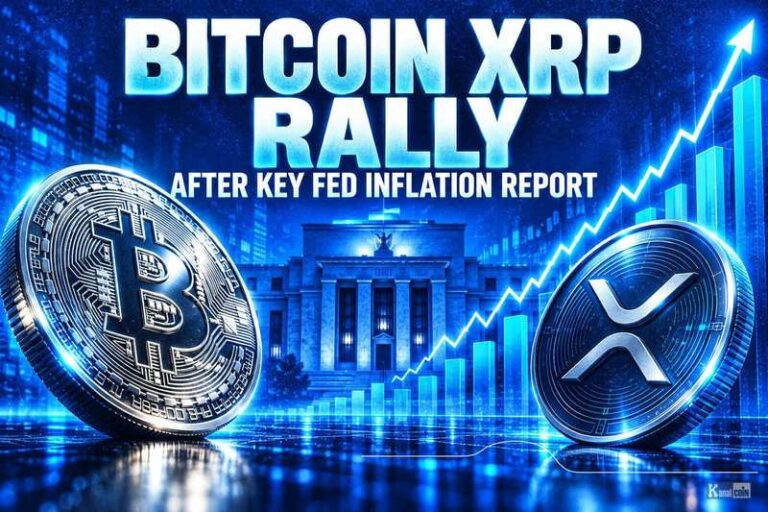
Bitcoin and XRP posted gains following the release of a key Federal Reserve inflation report, as cryptocurrency markets responded to fresh signals about the trajectory of U.S. monetary policy. The move reflects how closely digital assets across Southeast Asia and globally have become tied to macroeconomic data out of Washington.
TLDR KEY POINTS
- Bitcoin and XRP rallied after a key Federal Reserve inflation report was released.
- The move signals that crypto markets continue to track Fed policy expectations as a primary risk driver.
- Traders in Southeast Asia are watching whether the post-report momentum holds once broader market sessions open.
Bitcoin and XRP React to Fed Inflation Data
Both Bitcoin and XRP moved higher after the release of an inflation report tied to Federal Reserve policy deliberations. The timing points to a direct market reading of the data as potentially softening the case for further rate hikes, or reinforcing expectations of an eventual policy pivot. For related coverage, see Bitcoin Hits $86,000 as Fed Index Shows Elevated Leverage.
This pattern is consistent with previous episodes where dovish Fed signals have driven simultaneous gains across Bitcoin, XRP, and other major tokens. Risk-sensitive assets, including cryptocurrencies, tend to reprice quickly when inflation data shifts the outlook for borrowing costs.
Bitcoin’s Reaction
Bitcoin’s response to the inflation report underscores its growing role as a macro-sensitive asset, particularly among institutional participants. Traders in markets from Singapore to Jakarta have increasingly used Bitcoin as a hedge against fiat currency risk, making Fed signals directly relevant to regional portfolio decisions.
XRP’s Reaction
XRP’s rally alongside Bitcoin suggests broader risk appetite returned across the crypto market, not just in the largest asset. XRP has significant trading volume on Southeast Asian exchanges including Upbit KR and Indodax, meaning any sustained move is felt quickly across the region’s retail and institutional base.
Why Fed Inflation Data Moves Crypto Markets
Inflation reports inform expectations for Federal Reserve rate decisions. When inflation comes in lower than expected, markets often price in a slower pace of rate increases or an earlier start to cuts, which reduces the opportunity cost of holding non-yielding assets like Bitcoin. The relationship between Fed vote expectations and crypto prices has become a reliable short-term trading dynamic.
Fed Policy Expectations and Risk Appetite
For Southeast Asian traders, U.S. monetary policy carries an extra dimension: Fed tightening strengthens the U.S. dollar, which puts pressure on regional currencies and can push local investors toward or away from dollar-denominated crypto assets. A softer inflation reading that eases dollar strength can open risk appetite across ASEAN markets simultaneously.
The intersection of inflation trends, oil prices, and crypto ETF flows has become a key watchlist for regional fund managers navigating an environment where global macro and digital asset markets are increasingly correlated.
What Could Make the Rally Hold or Reverse
A single inflation print rarely sustains a rally on its own. Markets will look for confirmation in subsequent Fed communications, including statements from Fed governors and the next meeting minutes, before pricing in a durable policy shift. If follow-up data contradicts the initial reading, the crypto rally could unwind as quickly as it formed.
What Traders Will Watch Next
Upcoming Fed speeches and the next scheduled inflation releases will determine whether Bitcoin and XRP can hold their post-report gains. Bitcoin ETF flows will also serve as a gauge of institutional conviction, as sustained inflows would confirm that larger players are treating the inflation signal as a meaningful policy turning point rather than noise.
For regional exchanges and regulators from the Bangko Sentral ng Pilipinas to Thailand’s SEC, a sustained crypto rally driven by softer U.S. inflation would add momentum to digital asset adoption across Southeast Asia, where inflation and currency stability remain primary concerns for retail investors. This article will be updated with verified price and percentage data as confirmed figures become available.
Additional source references: source document 1.
Disclaimer: This article is for informational purposes only and does not constitute financial or investment advice. Cryptocurrency and digital asset markets carry significant risk. Always do your own research before making decisions.